
You Can't Just Fix One Thing: Part III
A child’s education begins long before the first day of school. In rural Rajasthan, Seva Mandir supports early childhood care, nutrition, village preschools, and “bridge schools” that work in tandem to prepare children for formal education. It also works to strengthen government schools. But the work goes beyond classrooms. By empowering parents and communities to collaborate, advocate for better services, and work with local government, Seva Mandir helps build something lasting: communities that can shape and sustain their children’s futures.
Because … You Can’t Just Fix One Thing
If you want to make lasting improvements in people’s lives in rural India, you can’t simply tackle sanitation, education, or health care alone. No program can be transformative in isolation.
In our newsletter series this year, we’ve shown how several Seva Mandir programs reinforce each other to serve children and families – over 1 million people overall. We began with how Seva Mandir health workers and water infrastructure efforts help parents raise thriving infants. We then followed those kids to Seva Mandir’s village preschools and the 1,750 government preschools it also supports. This final letter focuses on elementary school children.
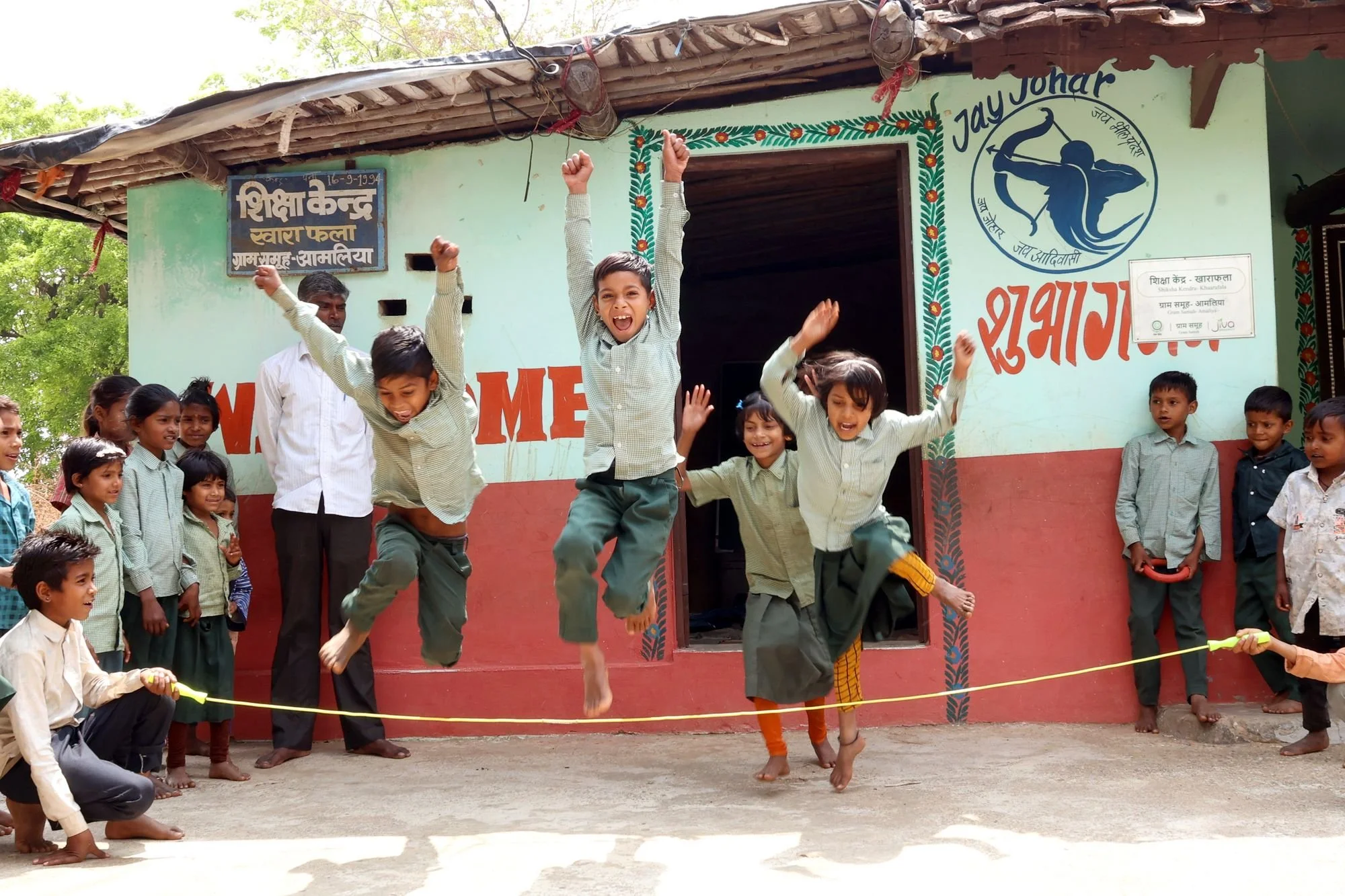
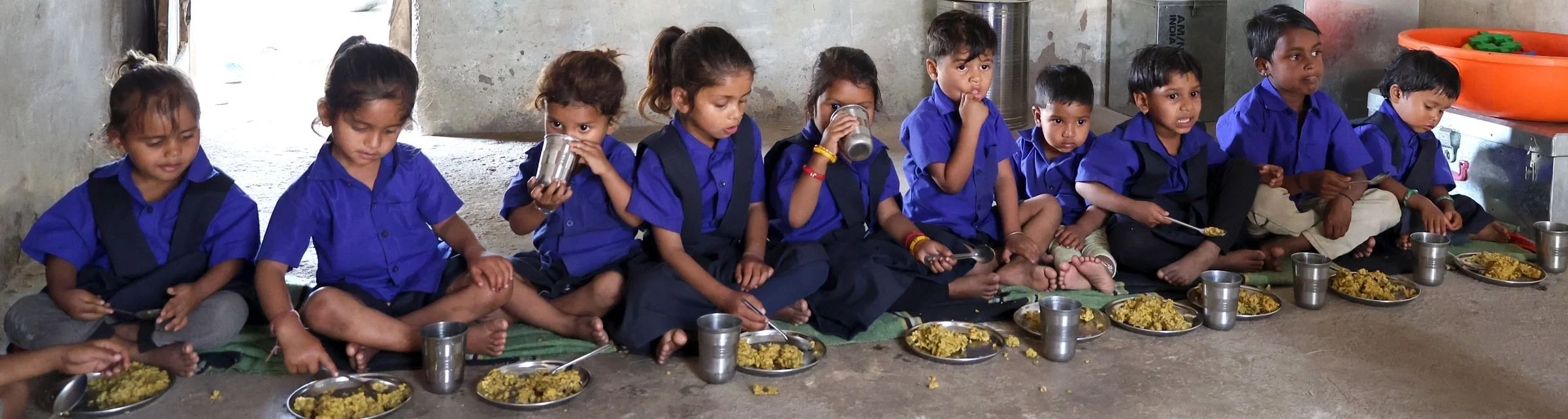
Historically, many rural Rajasthani villages were too remote to have a public school. Schools that did exist struggled to retain teachers and remain open. So Seva Mandir filled the gaps with “bridge schools,” called Shiksha Kendras. Today, Seva Mandir runs 84 Shiksha Kendras and residential learning camps that help 3,000 children annually to catch up and move into public school.
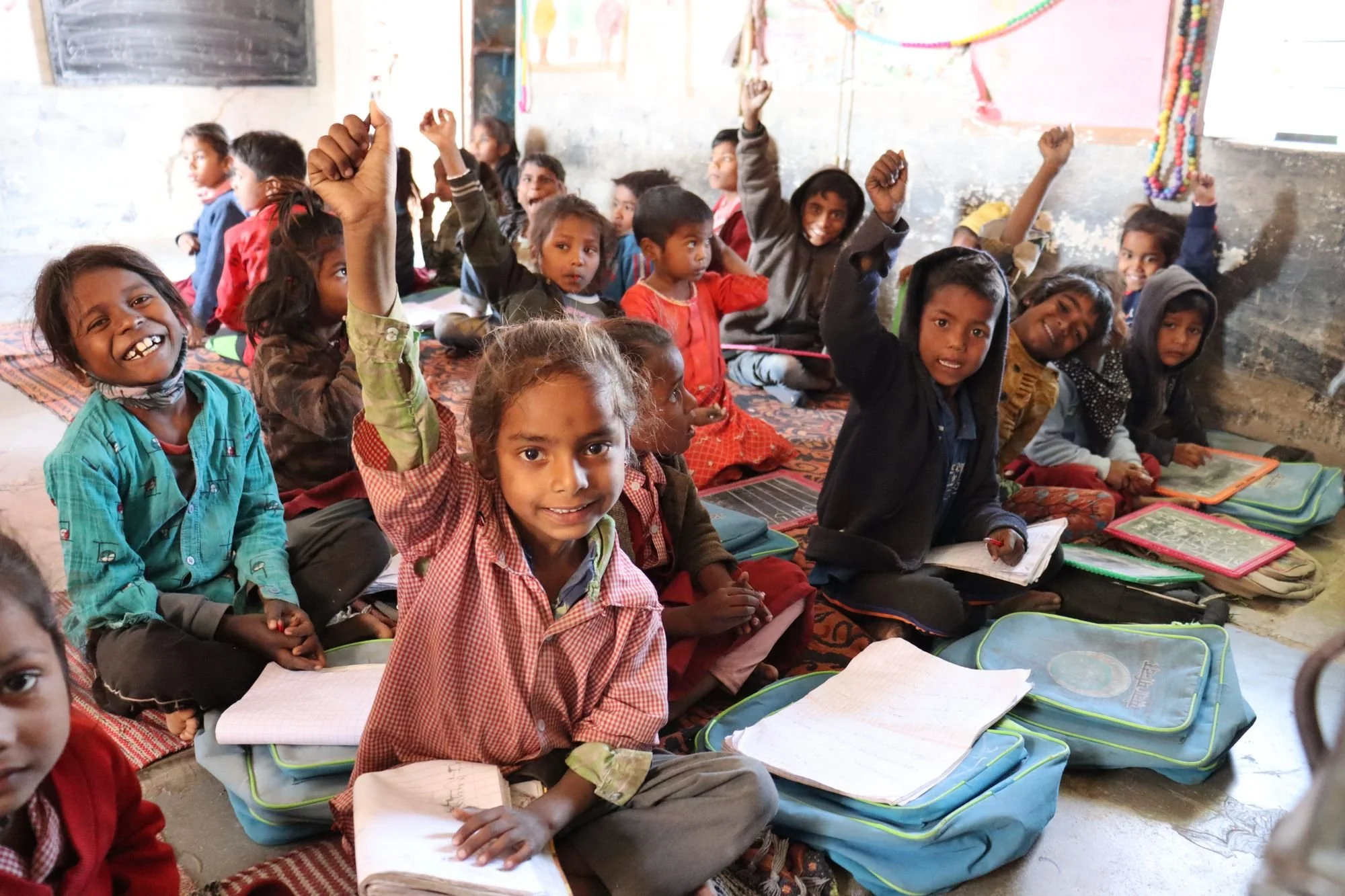
Seva Mandir’s schools led to some of its most productive research partnerships, including with economists Abhijit Banerjee, Esther Duflo, and Michael Kremer, who went on to share the 2019 Nobel Prize. In one famous study, teachers were paid by attendance and photographed themselves with their students at the start and end of each day. Teacher absenteeism was cut in half, and students were far more likely to move on to public schools. Banerjee has said of Seva Mandir, “No standard that they could realistically meet was high enough for them; there was always room for self-criticism and to aim higher.”
As government services and village realities have changed, Seva Mandir’s education programs have evolved as well. They now focus not just on running schools, but also on making public schools work better.
The Story of Moria Khuna
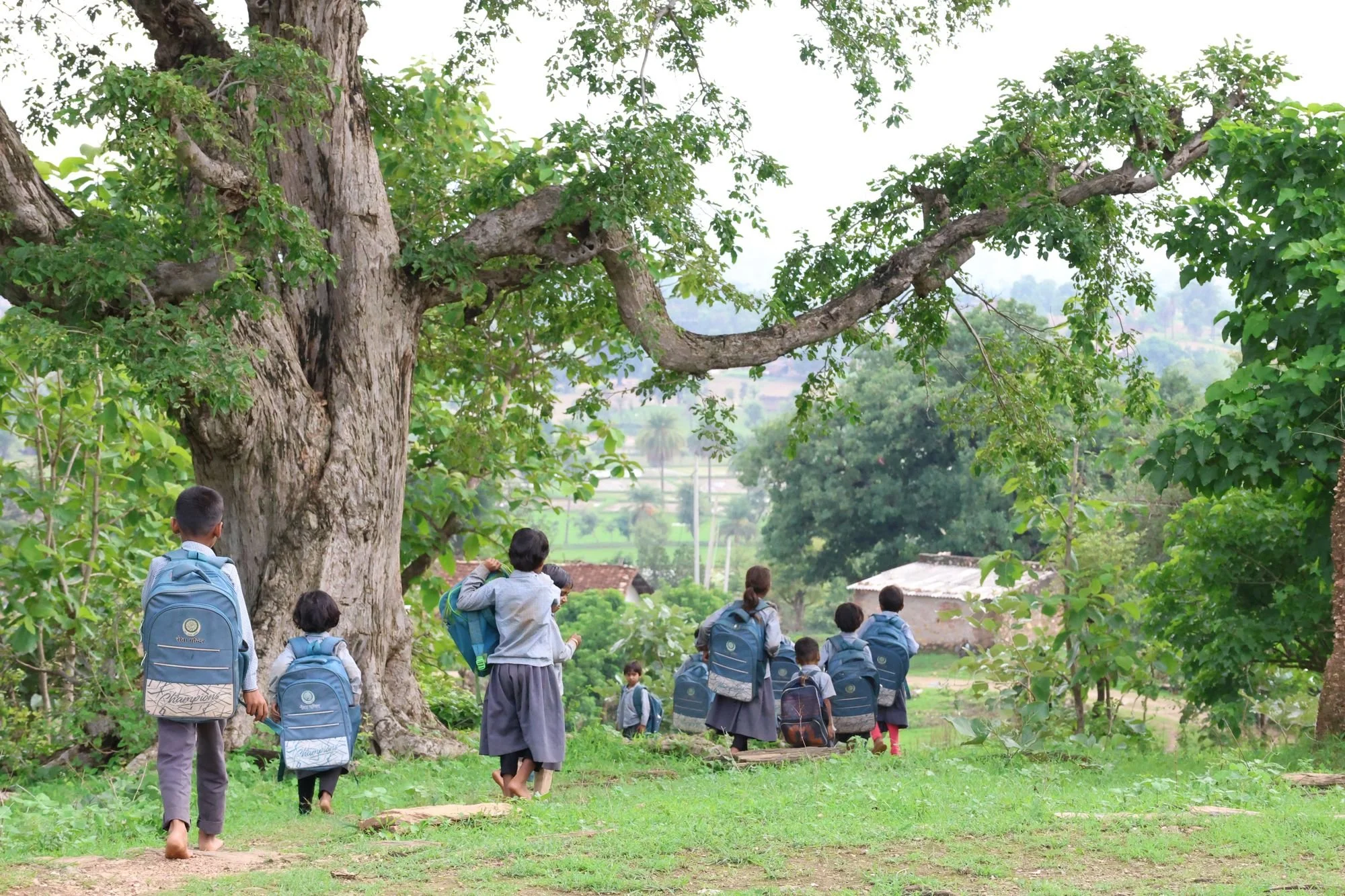
Moria Khuna, a remote forest village of 80 tribal families, is a poignant example. The government opened a primary school there in 1999, but the teacher’s job sat unfilled for years and attendance lagged. By 2008, the school was locked and education stopped.
In 2009, Seva Mandir filled the gap by opening a bridge school. Community organizers went door to door to convince skeptical parents to enroll their children, and to build demand for reopening the public school.
When the government did so in 2013, Seva Mandir’s role shifted. It ran camps for children who had missed school in the intervening years, built a school toilet, and supported a bridge school graduate to work in the government school. It also helped construct two drinking-water systems in the village, reducing families’ water collection time and creating more time for children to focus on education.
But in 2025, a test arrived for Moria Khuna. The public school building was declared unsafe and again shuttered.
But this time, the community didn’t let education lapse. A local woman offered her house as a replacement space and villagers, with some support from Seva Mandir, raised funds for a roof and two classrooms. Today, 57 of Moria Khuna’s children are in school and the village has 10 children in college, four of them women.
Building Communities, Not Just Buildings
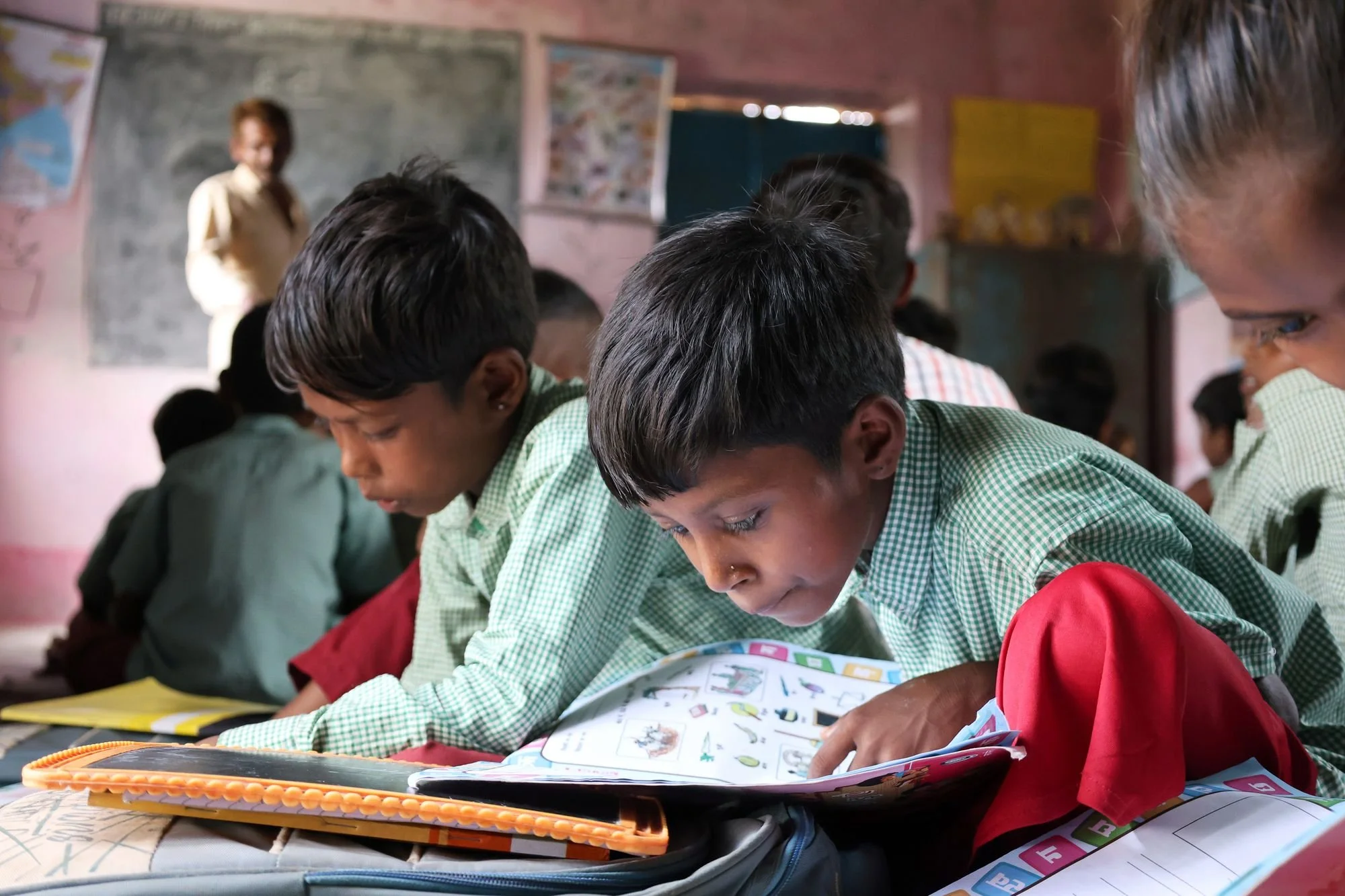
It’s relatively easy to fund a school building. It’s much harder to stay for decades to build the people who keep that school running. But this is what Seva Mandir has been doing for 58 years.
Giving every child a quality education is a noble goal, but Seva Mandir’s ambitions go further. It sees essential services – health care, clean water, preschool, elementary school – as avenues to bring people together to organize, solve their own problems, and work with local government when those problems need government solutions.
Seva Mandir has helped villages like Moria Khuna formalize this ambition through elected community boards – about 1,100 to date – that provide input on Seva Mandir and government projects. This way, Seva Mandir’s education initiatives help children, but also help build more engaged and democratic communities.
This work depends on trust, relationships, and local institutions built over many years – and upon you: supporters who understand the importance of investing in communities long enough for change to take root.
Because you can’t just fix one thing. But together, we can make lasting change possible.
Can You Help Us Reach Our Goal?
Thanks to your generosity, Friends of Seva Mandir has raised $363,678 toward our $500,000 fundraising goal. With approximately $140,000 left to raise, a gift of any size gets us closer to our goal, and sustains the long-term, multi-faceted work that makes true change possible.
We hope you will consider making a year-end gift to Friends of Seva Mandir. Thank you for your trust and for being part of this work.