You Can't Just Fix One Thing: Part II
You can't just fix one thing. That thread runs through all three of our year-end letters, describing how Seva Mandir (SM) initiatives intersect to support children and families in rural India. In our August letter, we described how Seva Mandir's community health workers and clean water programs help children grow through their first two years. In today's letter, we continue with children ages 3 to 6, as they enter the village preschools SM has been running since 1984.
Childcare is at the center of the national conversation in America right now. New York City has just committed to free childcare for 2-year olds, and for good reason: High-quality childcare is critical – enabling parents to go to work and preparing kids for elementary school. Yet many families simply can't afford it.
Families in Indian villages struggle with these problems, too. When a mother has nowhere safe to leave her children, she either takes them along to the fields or leaves them with older siblings — who then miss school themselves.
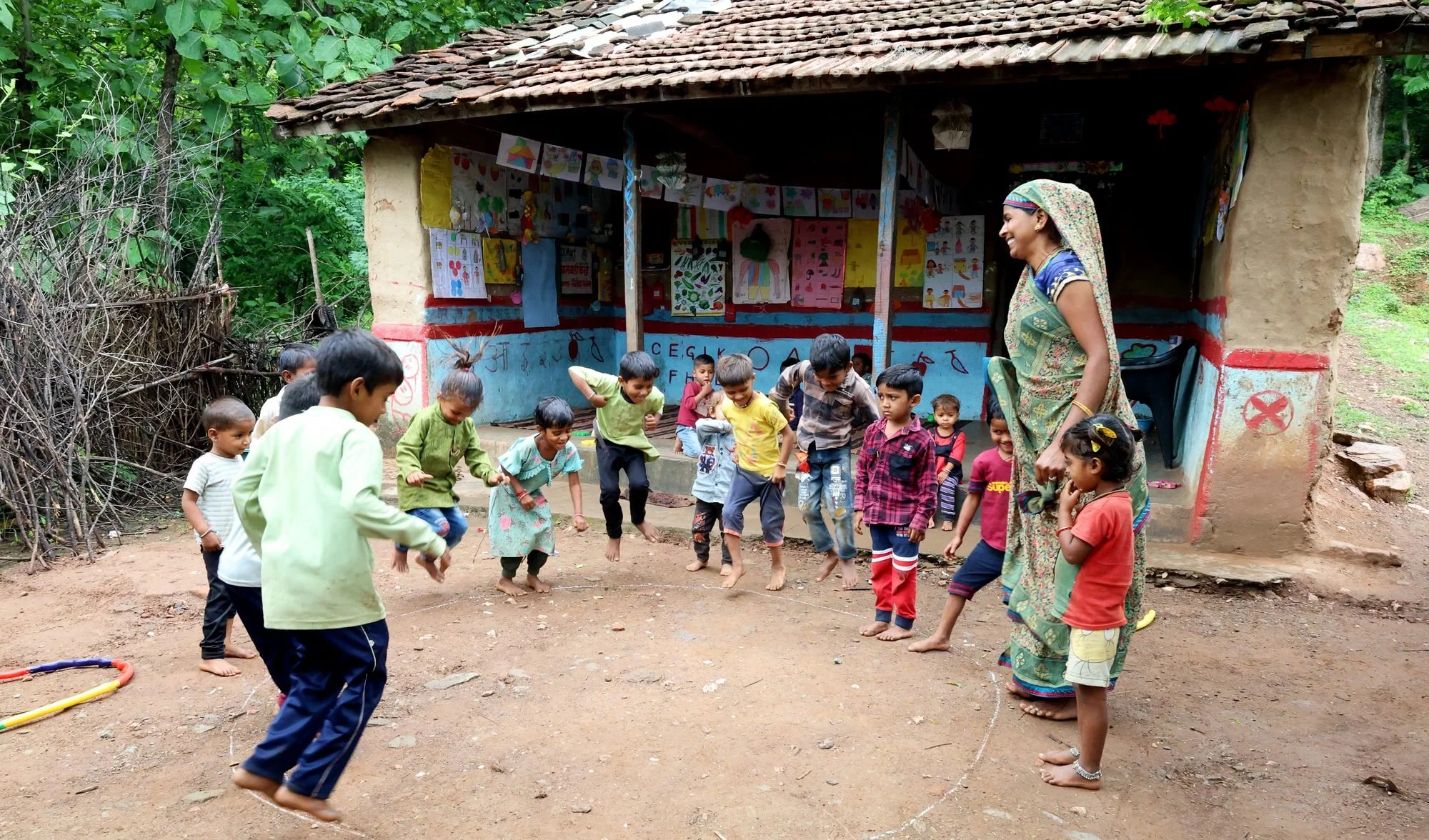
In rural Rajasthan, Seva Mandir has been at the forefront of this challenge for decades. It began running community preschools known as balwadis over 40 years ago, and today runs and supports more than 150 centers serving around 4,000 children.
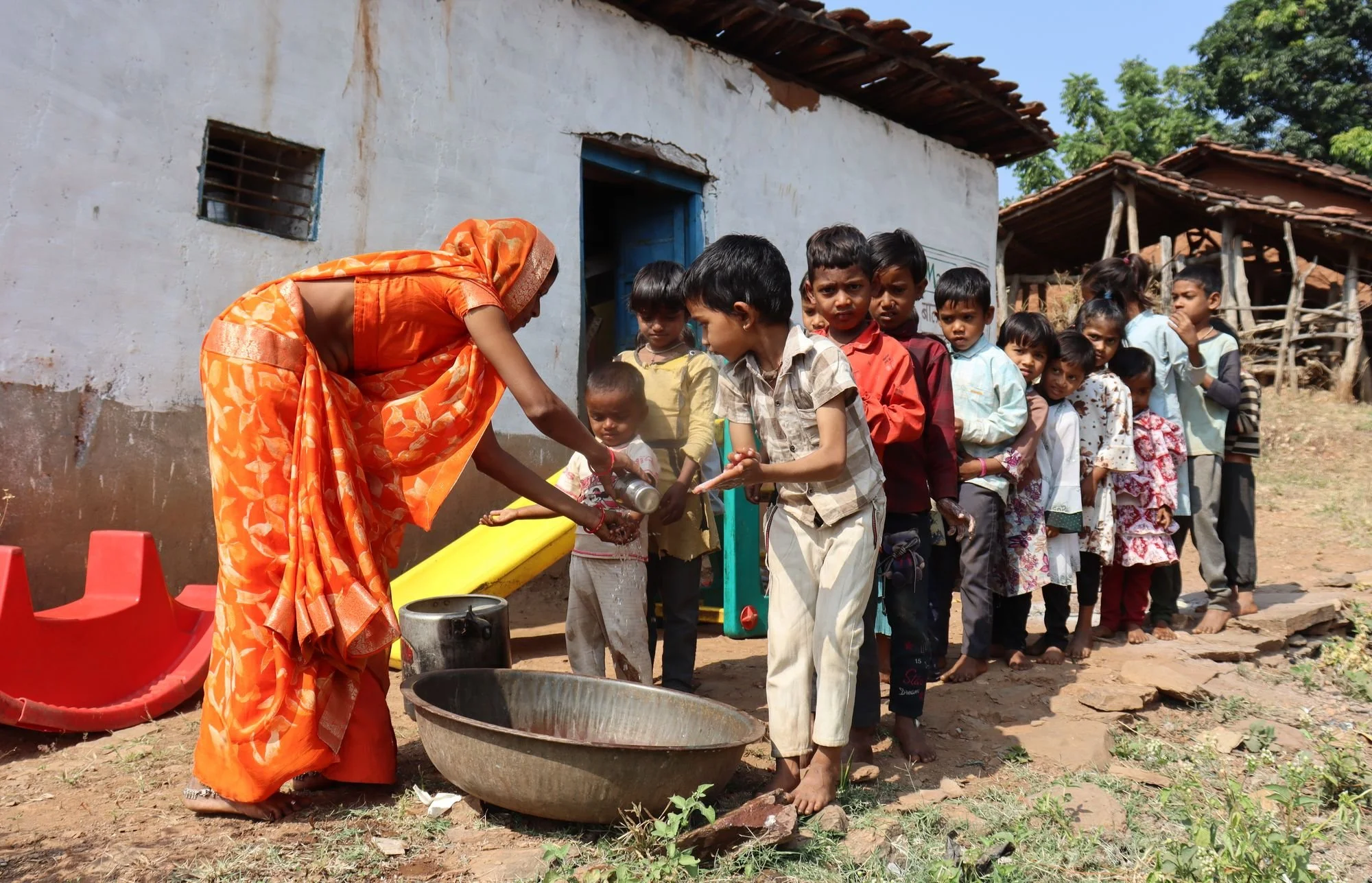
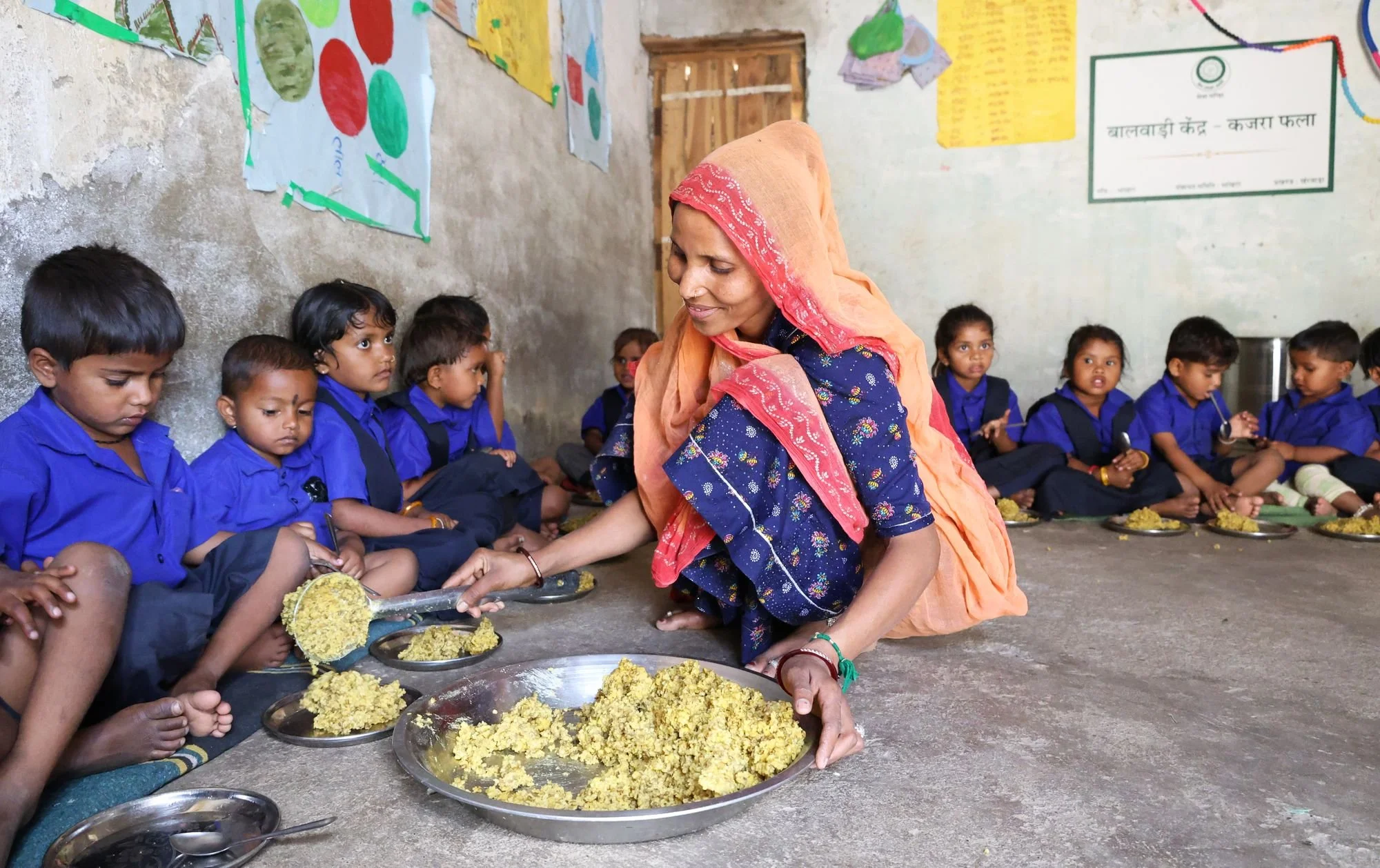
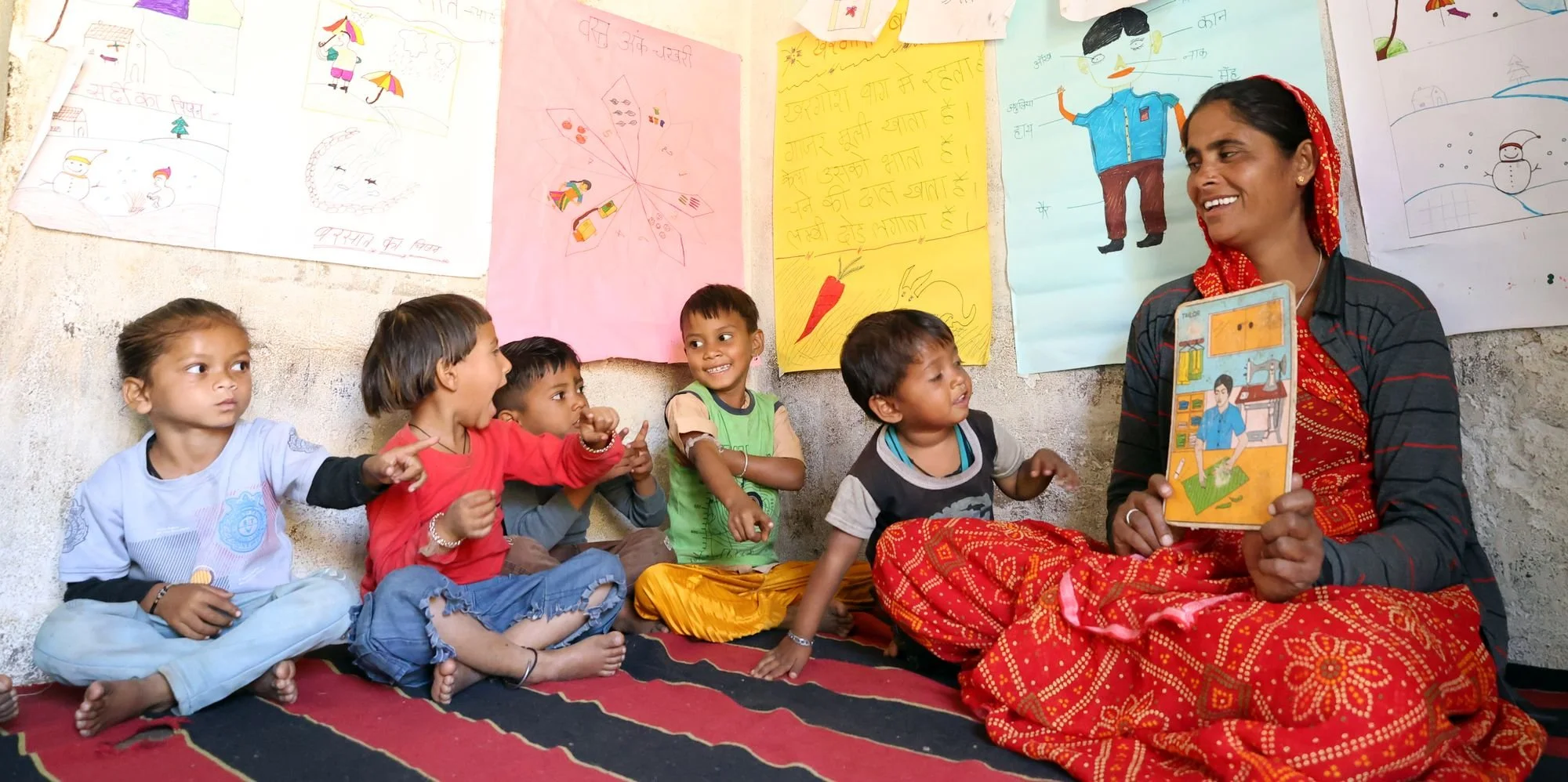
As we outlined in our first letter, what matters is not just what Seva Mandir does, but how it does it. Balwadis are community preschools. Teachers consistently show up at SM balwadis because they are hired from the local community and parents monitor what goes on. SM preschools are responsive to parents' needs: they stay open for seven hours daily, which allows parents to work. And these preschools care for children with Seva Mandir's signature multi-dimensional approach, not just offering a full day of early learning, but also providing three nutritious meals a day, malnutrition monitoring, and hygiene education.
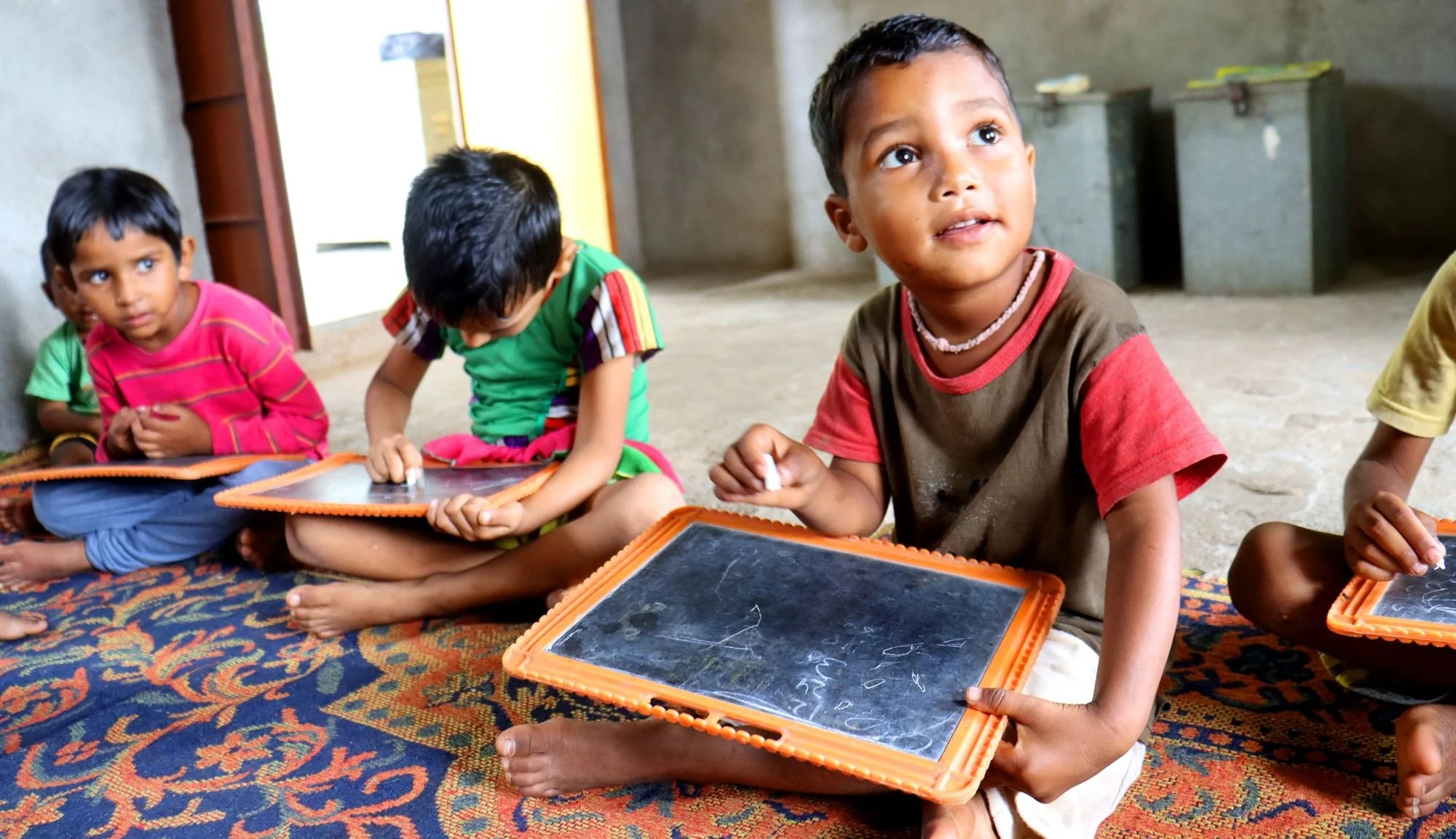
The SM approach has led to real results. In a randomized controlled trial of SM's preschools, researchers from McGill University and the Indian Institute for Financial Management and Research found that the preschools filled a huge unmet demand for childcare in their villages, and had measurable positive impacts on mothers' mental health and labor force participation.
So it's no surprise that when the Rajasthan state government and corporate funders sought partners to improve public preschools, or anganwadis, they chose Seva Mandir. Since 2016, SM has worked with government preschools and currently supports around 1750 government preschools serving about 115,000 children.
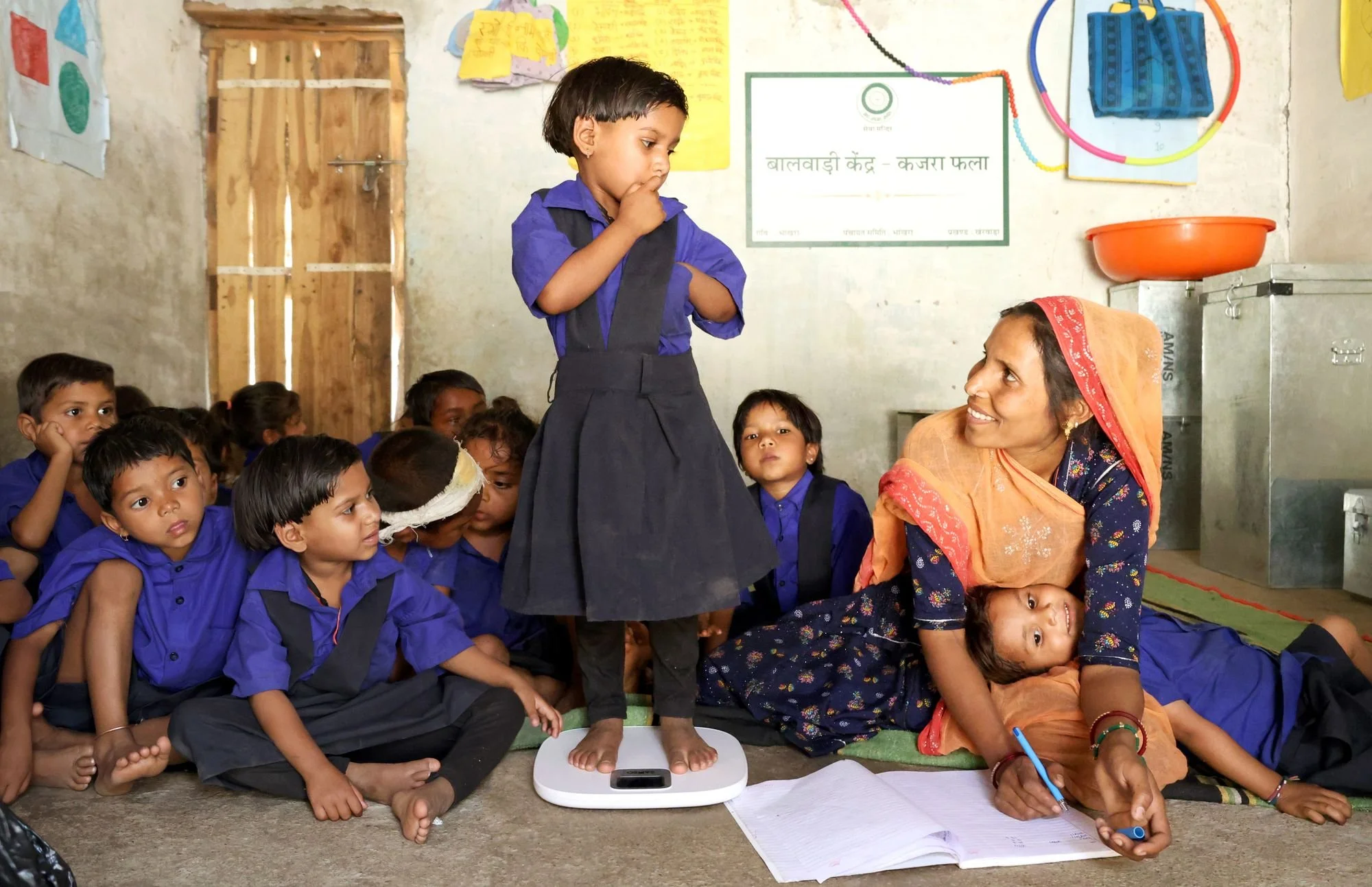
Using lessons learned from decades managing its own preschools, SM has helped anganwadis increase student attendance by over 50 percent between 2016 and 2020, and supported them in improving student proficiency on early reading indicators from 50 percent to 79 percent. Parents' perceptions of preschools have changed from "feeding centers" to places that provide play-based early learning. NITI Aayog, the Indian government's top policy thinktank, published the SM-government partnership as a national case study.
Again, it's not just what SM does that sets it apart, but how it does it. It has patiently developed early childhood know-how over decades, and then seized the opportunity to partner with government to have a societal impact at scale.
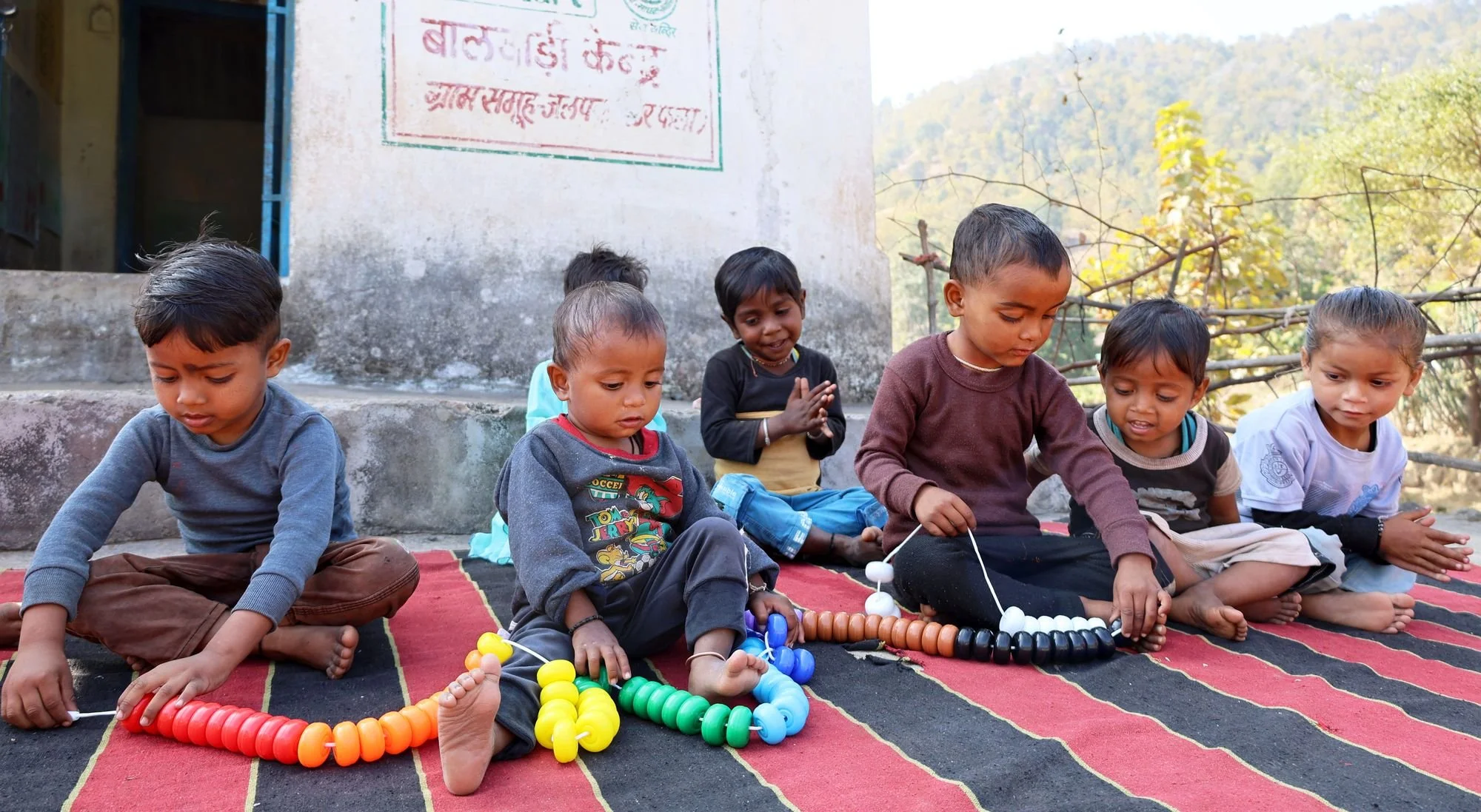
And SM continues to innovate. Last year it opened 97 daycare centers for about 2,000 children aged 7 months to 3 years for the first time. Developing, studying, and improving the daycare model is SM's next frontier for how it cares for the youngest children.
We hope this letter has offered a window into some of the ways that SM's work offers wraparound support to children and their families on the ground. Our final letter this year will focus on SM's support of 6-12 year olds and its work on elementary education.
What this work costs
For a sense of what SM's preschool work costs:
$550 provides nutritious meals to 15 children at a preschool for a year
$2,150 meets a preschool's annual operating budget for 25 children, including meals, learning materials, and the teacher's salary.
As a point of comparison, daycare for 1 child in New York City now costs $26,000 a year. While the contexts are vastly different, this nevertheless demonstrates how much Seva Mandir can do with relatively little. We share these figures simply to offer a sense of what it takes to sustain this work.
Thank you for staying connected with Friends of Seva Mandir, and for taking the time to understand this work more closely. We look forward to sharing the next part of the story with you.